Silk has long been admired for its luxurious look, unmatched softness, and centuries-old reputation as a regal fabric. For beginners, though, silk may seem intimidating or high-maintenance—often due to persistent myths and misconceptions. If you’re new to silk and unsure where to start, understanding the facts behind these beliefs can help you make smart buying decisions and care for your beautiful silk pieces with confidence.
Understanding Silk – A Quick Overview
Silk is a natural protein fiber, harvested primarily from the cocoons of silkworms. The majority of commercial silk comes from the Bombyx mori silkworm, which feeds on mulberry leaves, resulting in what’s known as mulberry silk.
Natural vs. Synthetic Silk
It’s important to distinguish between natural silk and synthetic counterparts like polyester or nylon. Natural silk boasts superior breathability, temperature regulation, and a luminous natural sheen, while synthetics can mimic the look but lack these qualities.
Production and Properties
Silk’s creation process, from cocoon to luxurious fabric, is labor-intensive. Each step—from unraveling the delicate filaments to weaving them into textiles—plays a role in the final product’s quality. This is why authentic silk can be more expensive, but also more durable and versatile than many realize.
Myth #1 – “Brighter is Always Better”
One of the most frequent misconceptions is that the brightest, shiniest silk must be of superior quality. While silk’s natural sheen is highly prized, brightness alone is not a solid indicator of quality.
Understanding Silk’s Natural Sheen
Genuine silk shines thanks to the triangular structure of its fibers, which reflect light at multiple angles. However, silk can range in brightness depending on several factors:
- Type of Silk: Charmeuse silk, for example, has a high-gloss finish, while crepe de chine and raw silks offer a more matte appearance.
- Weave and Finish: The way silk is woven and finished affects its overall shine. Artificial chemicals and finishes can also enhance shine—but not always in a good way.
- Dyeing Process: Some silks are dyed with brilliant colors, giving an illusion of higher quality through color vibrancy alone, not fiber integrity.
What Should Beginners Look For?
Instead of focusing solely on shine:
- Check for smoothness and even texture.
- Test breathability and softness.
- Assess workmanship, like stitching and hems.
Remember, authentic luxury in silk involves a delicate balance of sheen, texture, and durability—not just surface brightness.
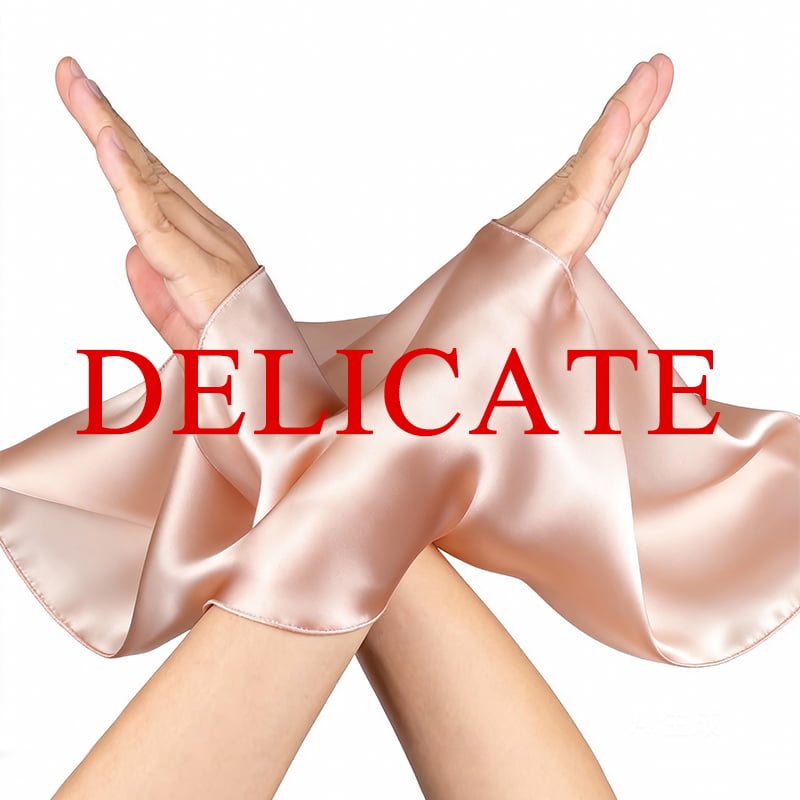
Myth #2 – “Silk is Inherently Too Delicate”
Silk’s reputation for fragility is one of the primary reasons beginners shy away from this beautiful fabric. It is true that silk warrants special care, but the notion that it cannot withstand regular use is exaggerated.
Strength and Durability
Silk is one of the strongest natural fibers—its tensile strength is surprisingly high. Here’s what influences its sturdiness:
- Type of Silk: Mulberry silk is extremely strong and can last for decades with proper care. Wild silks like tussah and Eri are often even tougher, though sometimes less soft.
- Weave Construction: Dense weaves bolster silk’s resistance to wear. Crepe and twill weaves, for example, are less prone to snagging than lighter weaves like chiffon.
Practical Silk Use
Silk isn't just for luxury bedding! You'll find it in many practical everyday items, such as:
- Pillowcases
- Shirts and blouses
- Scarves and ties
- Sleepwear
Proper Care Makes All the Difference
It’s true that reckless washing or sun exposure will shorten the life of silk. But by following some simple care instructions, you can enjoy silk’s beauty for years:
- Hand washing with mild detergent or using the delicate cycle in a mesh bag.
- Air drying out of direct sunlight.
- Ironing on a low setting when needed.
- Storing away from rough surfaces to prevent snags.
With these practices, silk becomes a practical—yet stunning—part of your wardrobe or home.
Additional Common Silk Myths
Let’s briefly tackle a few more widespread misconceptions.
“Silk is Only for Special Occasions”
Many envision silk as something reserved solely for weddings, galas, or extravagant gifts. The truth is, silk is both historic and versatile. Light silk scarves dress up casual outfits, silk pillowcases boost nightly comfort, and silk camisoles are ideal for layering beneath daily wear. With the right garment or accessory, silk transitions seamlessly from formal to casual.
“All Silk Feels the Same”
There’s no single silk texture. Some varieties you may encounter as a beginner include:
- Charmeuse: Glossy, buttery-soft, often used for blouses and lingerie.
- Crepe de Chine: Slightly matte, pebbled feel, common in dresses and scarves.
- Habotai: Lightweight, smooth, lovely for linings.
- Dupioni: Crisp with an uneven texture, sometimes with visible slubs.
- Organza: Sheer and stiffer, perfect for overlays and decorative accents.
Each type delivers a different tactile experience, weight, and level of delicacy suited to specific uses.
“Silk is Too Expensive for Beginners”
While high-end silk is expensive, its quality and price range are quite extensive. If you're on a budget, you can opt for blended or lightweight silks, which offer the same comfort and luster as silk. Accessories such as pocket squares, hair ties, or scarves are also affordable ways to enjoy the benefits of silk. Over time, you'll learn to discern the quality of silk and find products that best suit your needs and budget. However, you should still be aware that silk products are inherently luxurious; you get what you pay for, and good silk is not cheap.
Conclusion
Silk stands as a testament to luxury, tradition, and craftsmanship. No longer should myths about its brightness, delicacy, or exclusivity deter you from exploring its myriad uses and benefits. As a beginner, focus on the facts: silk comes in many types, can be remarkably durable, and isn’t strictly reserved for special occasions or big budgets. By understanding these truths—and caring for your silk pieces thoughtfully—you can enjoy the time-honored elegance and comfort that only real silk can provide.