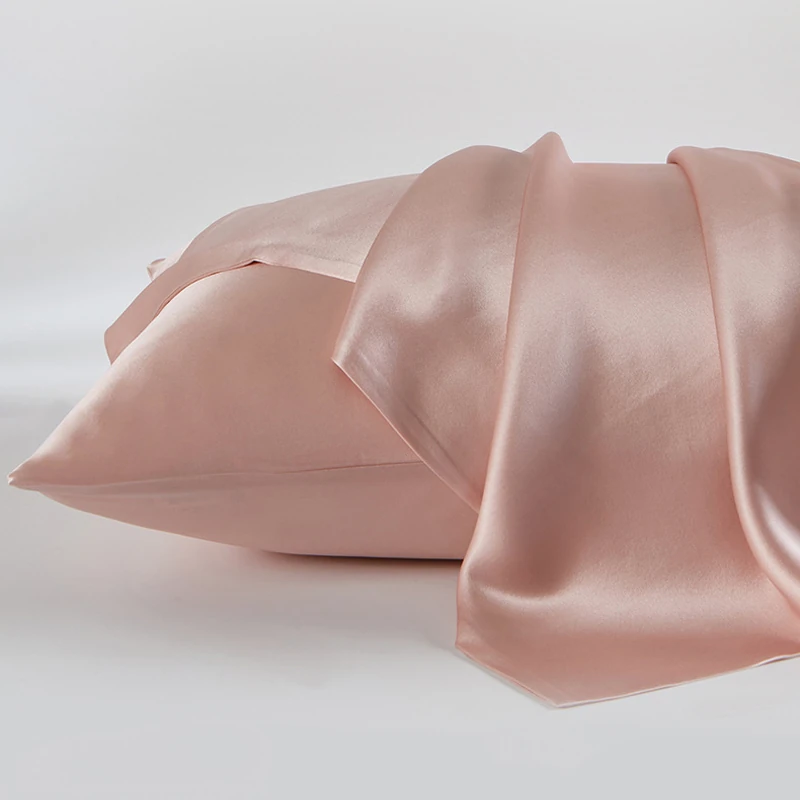
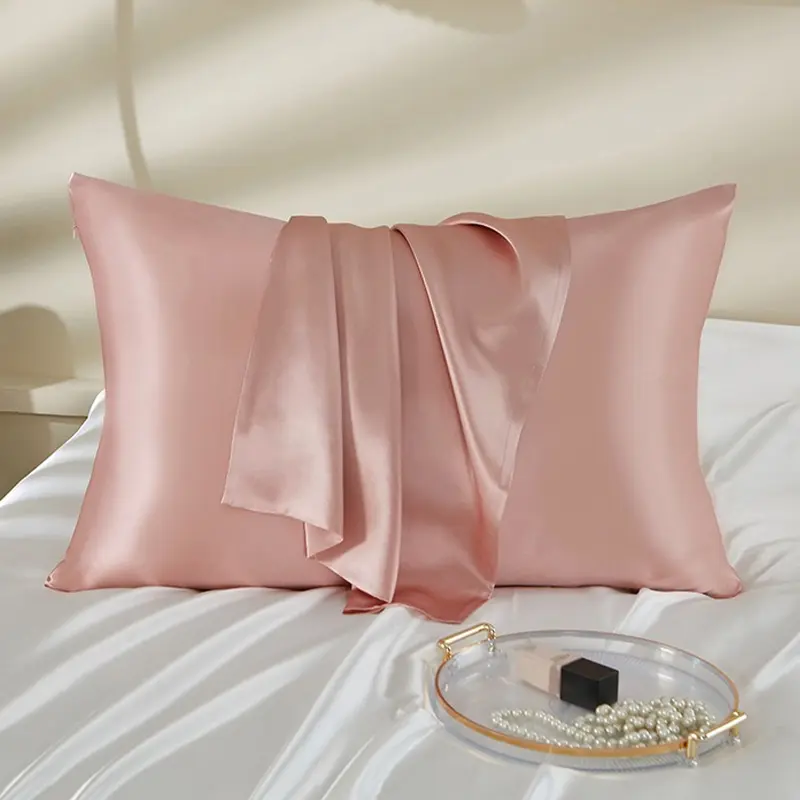
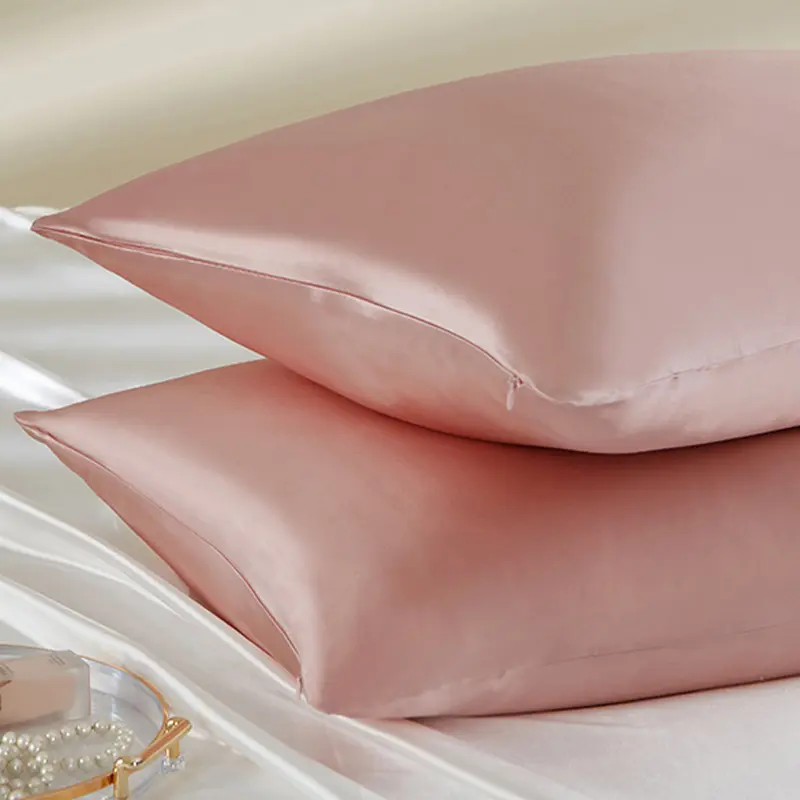
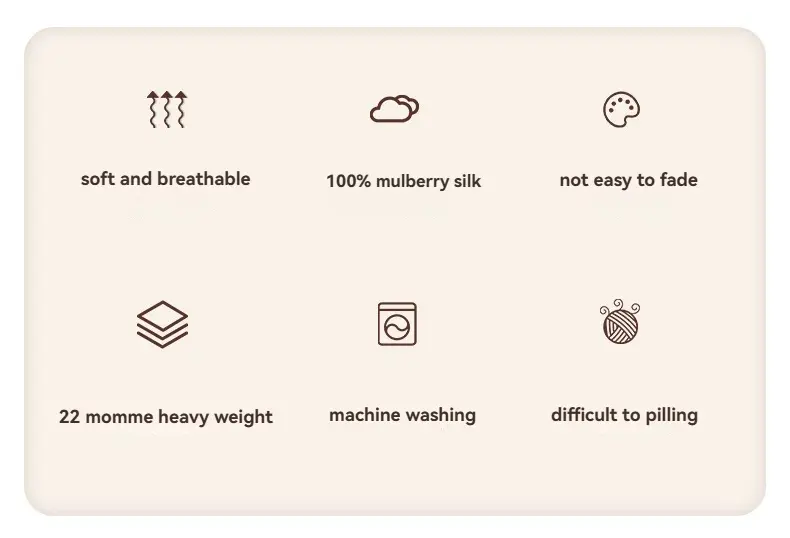
Carefully Packaged
Reliable Delivery
Secure Payment
Environmental Friendly
Storage:
Store in a cool, dry, and well-ventilated wardrobe. In humid areas, place a desiccant in the wardrobe and check and replace it regularly.
Insect Prevention:
Always use a moth repellent (such as natural camphor). Do not use other chemicals, as they may damage the silk fibers and cause discoloration.
Avoid Light:
Avoid direct sunlight, as ultraviolet rays are the main cause of fading and aging of silk.
Best Option – Hanging:
Cover with a breathable cotton dust bag to prevent dust while ensuring air circulation.
Fold and store – avoid heavy pressure:
place it on the top layer to avoid long-term compression by other heavy objects, otherwise permanent creases that are difficult to repair will be produced.
Silk is delicate; please always adhere to the core principles of "gentle, quick, and low temperature" when washing it. Follow these steps to safely and effectively clean your silk.
Step 1: Preparation
Water Quality & Temperature: Always use room temperature or cold water (below 30℃). Excessive heat will cause silk to shrink and deform.
Detergent: Use only a neutral or special silk/wool detergent. Never use alkaline laundry powder, soap, fabric softener, or bleach.
Step 2: Hand Wash (Most Recommended Method)
Quick Soak: Dissolve detergent in clean water, then add the garment and gently press and rinse by hand.
Control Time: Do not soak or wash for more than 5 minutes in total to prevent fading.
Rinse Thoroughly: Gently press and rinse with plenty of clean water until no slippery feeling remains.
Step 3: Spin-Dry & Air Dry (Most Prone to Mistakes)
Do Not Wring: After washing, lay the garment flat on a clean, dry towel, roll up the towel, and gently press to absorb water.
Avoid direct sunlight (may cause fading and fiber brittleness).
Do not use heaters or dryers to tumble dry (may cause severe shrinkage and hardening).
Do not wring or spin dry forcefully (may damage and deform the fabric).
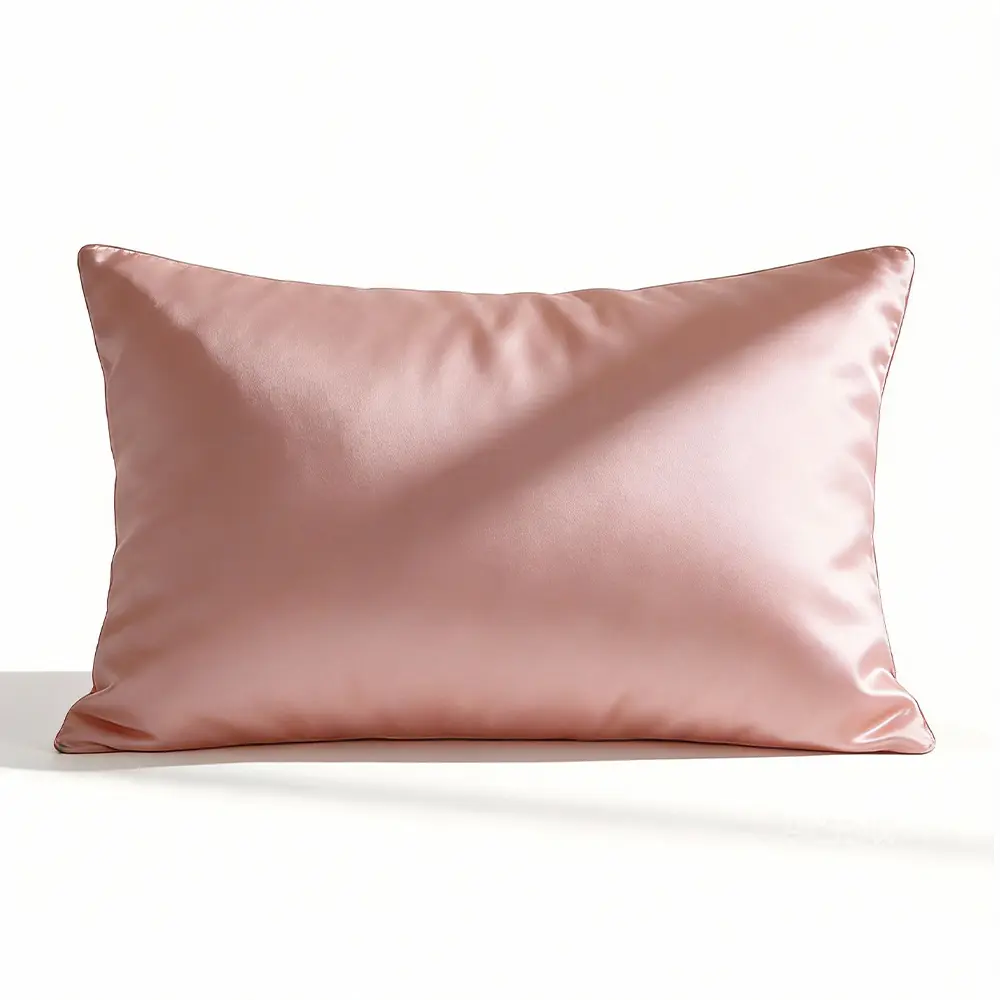
Raw Material Scarcity
Mulberry silk is a natural protein fiber spun by silkworms. Its production has a natural limit; making a single silk dress may require thousands of cocoons.
Extremely Complex Process
From cocoon to finished silk, it involves dozens of meticulous processes, including reeling, weaving, refining, dyeing, printing, and finishing. It has been listed as a UNESCO Intangible Cultural Heritage and relies on artisans for its production by hand or semi-handcraft.
Cost Structure
According to a life-cycle cost study of Chinese silk production, the total cost of producing one kilogram of raw silk is approximately €152. The production process requires manual labor and cannot be replaced by machinery. Therefore, silk production is not simply an agricultural or industrial product, but a combination of technology and labor-intensive processes.
loading