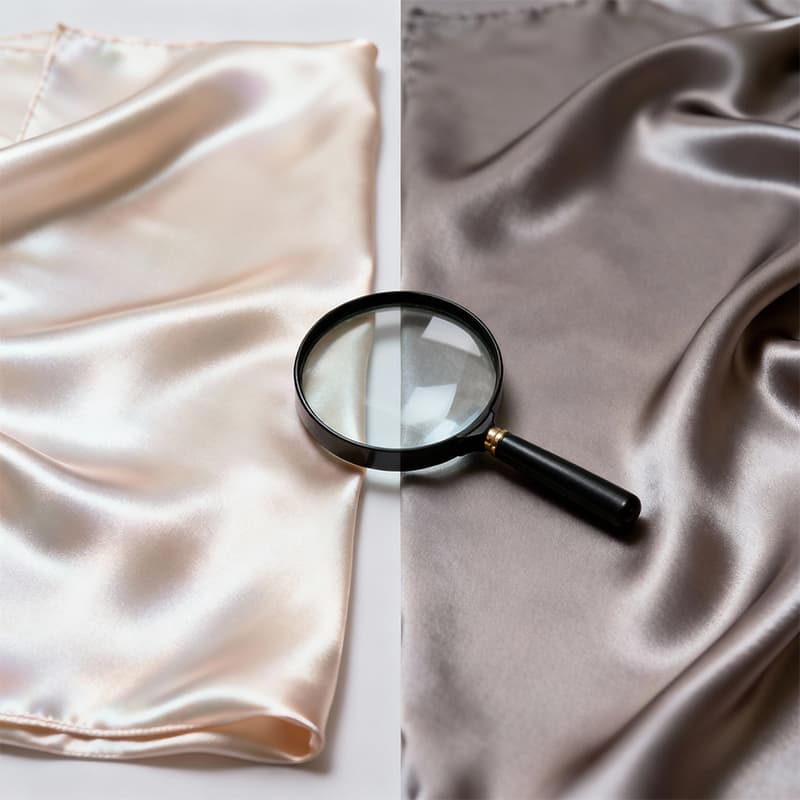
Silk is renowned for its luxurious feel, natural sheen, and enduring elegance. However, the market floods with synthetic lookalikes, making it essential to distinguish between real and fake silk. Buying authentic silk isn't just about quality—it's about value and trust. This comprehensive guide will empower you with professional methods, clear visuals, and tested techniques to identify genuine silk, helping you shop with confidence and avoid disappointment.
Understanding Silk: Real vs. Fake
What Is Real Silk?
- Origin:Real silk is a natural protein fiber produced predominantly by silkworms. Harvested from cocoons, genuine silk has a centuries-long heritage in luxury textiles.
Characteristics:
- Smooth, soft texture
- Subtle, organic sheen
- Lightweight, excellent drape
- Excellent moisture absorption and breathability
Common Types of Fake Silk
Manufacturers often substitute silk with synthetic fibers:
- Polyester Silk: Shiny but stiff, lacks real silk’s softness
- Rayon Silk (Viscose): Smooth but cold to touch, artificially lustrous
- Blends: Mixes silk with synthetics to reduce costs, compromising quality and feel
Key Methods to Identify Genuine Silk
The Touch Test
Real silk feels smooth, soft, and warm. Run your fingers gently over the surface—genuine silk imparts a warm, gentle sensation due to its protein composition. In contrast, synthetic fibers like polyester feel cold, slippery, or overly smooth, lacking that gentle warmth.
Expert Tip:
Crumple the fabric in your hand—real silk springs back easily, while fake silk may crease or stay wrinkled.
The Visual Test
Sheen and Luster
- Real Silk: Exhibits a subtle, multi-tonal sheen. The color changes slightly in different lighting and angles, giving it a unique radiance.
- Artificial Silk: Has a flat, uniform shine, often with a plastic-like glare.
Weave Irregularities
Silk is a natural fiber, so tiny bumps, uneven threads, and minor imperfections are common in authentic silk, especially handwoven types. Fake silk generally appears flawless and machine-perfect.
The Burn Test (Conduct with Caution)
How to Perform Safely:
Take a small thread from a hidden corner. Light it with care, over a flame-resistant surface.
What to Observe:
- Real Silk: Burns slowly, smells like burning hair or feathers, leaves a black, crisp ash that crushes easily.
- Fake Silk: Polyester melts and forms hard beads with a chemical/plastic smell; rayon burns with a paper-like odor and leaves gray ash.
Note: Only perform the burn test if you own the fabric and can remove a sample safely.
Water Absorption Test
Silk quickly absorbs water due to its protein structure. Place a droplet of water on the fabric:
- Real Silk: Absorbs and the wet spot spreads rapidly, darkening slightly.
- Fake Silk: Water may bead on surface or linger for a while before absorption.
Spot Test Demonstration
Try using a damp cotton pad on a discreet spot; real silk absorbs the moisture evenly, while synthetics may resist.
Price & Label Indicators
Price Range For Genuine Silk
- Real silk is expensive to produce and doesn't come cheap. If the price feels “too good to be true,” it probably isn’t real. As of 2025, average price for pure silk fabric ranges from $30–$100 per yard (or higher for specialty silks).
Reading Fabric Labels
- Look for labels stating “100% Silk,” “Mulberry Silk,” or “Pure Silk.” Vague terms like “silky,” “satin,” or “artificial” indicate synthetics. If possible, insist on seeing the composition breakdown.
Certifications and Trusted Brands
- Look for certifications like OEKO-TEX® or Silk Mark, which verify silk authenticity and safety. Purchasing from established brands or silk associations can also provide additional assurance.
Other Expert Tips
Listening to the Sound: The “Rustle” Test
- Genuine silk rustles lightly when rubbed, sometimes described as a "scroop" sound. Hold the fabric close to your ear and gently rub the layers together; real silk produces a subtle, crisp rustle, while fakes are often silent or muffled.
Weight and Drape Comparison
- Real silk is lightweight yet drapes fluidly, enveloping contours smoothly. Synthetics might feel either too heavy, stiff or unnaturally drapey.
Consulting a Professional
- If in doubt, consult a fabric expert, tailor, or textile laboratory. Some boutiques offer professional cloth identification services and testing.
How Can You Tell if Silk is Real or Fake?
Recap the main methods:
- Touch: Real silk is soft, warm, and springs back
- Sheen: Natural, multi-tonal luster
- Weave: Minor irregularities
- Burn Test: Smells like burnt hair, forms crumbly black ash
- Water Test: Rapid absorption and color darkening
- Sound: Unique rustle
Additional Common Queries
- Q: Can fake silk look very similar to real silk?
- A: High-quality synthetics can mimic appearance but differ in feel, weight, and reaction to tests described above.
- Q: What is the 84 disinfectant test?
- A: In China, this test uses diluted sodium hypochlorite (84 disinfectant) to dissolve animal protein fibers like silk, which will break down in solution—synthetics will not. However, this isn’t recommended for non-professionals due to chemical hazards.
- Q: Can blended silk still be valuable?
- A: Silk blends can be beautiful but generally do not have the full properties and value of pure silk.
Conclusion
Summary of Identification Techniques
Master these skills: examine sheen and luster, perform touch and water tests, check weave and labels, and use advanced methods like the burn or rustle test if necessary. Leverage certifications and buy from reputable sources whenever possible.
Importance of Buying Authentic Silk
Authentic silk offers unmatched comfort, beauty, and longevity. Counterfeit silk not only disappoints in performance but also undermines your investment.
Encouragement
With these expert methods at your fingertips, you can confidently shop for silk, ensuring that every yard or garment you purchase is truly something special. Always trust your senses, seek transparency, and never hesitate to test before buying—because you deserve the real luxury of authentic silk.