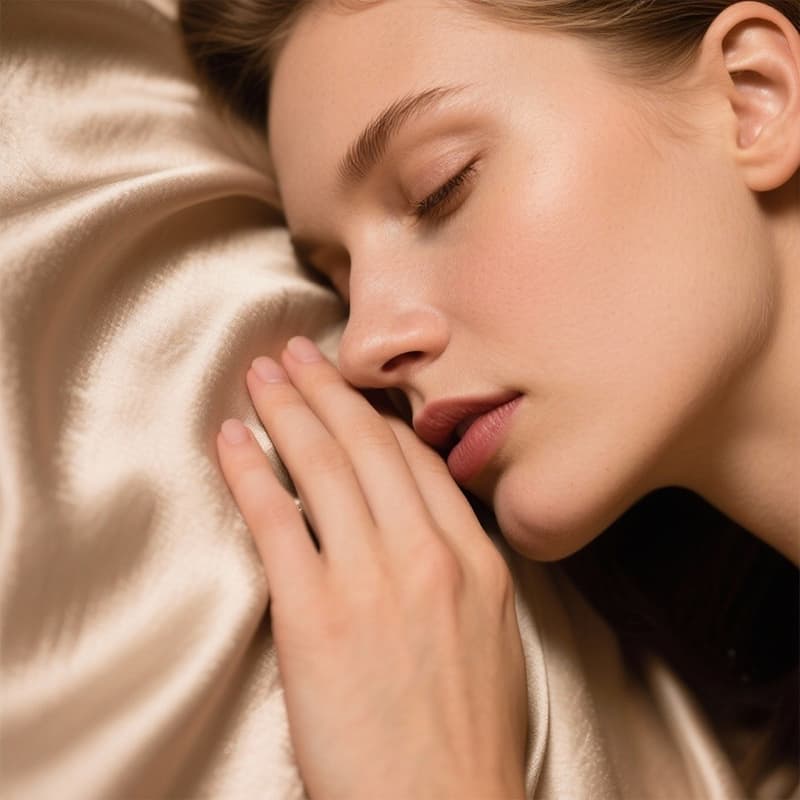
For centuries, silk has been a symbol of luxury and elegance. From its use by ancient royalty to its current status as a high-end fabric, silk's allure has endured. Here, we'll delve into the enduring charm of silk, the science behind it, its extraordinary sensory experience, its health benefits, and inspire your appreciation for this remarkable fabric.
The History of Silk
The history of silk dates back over 5,000 years to China. In ancient China, silk was considered an extremely precious luxury, and its trade was strictly controlled by the royal family. China's monopoly on silk production gave rise to the legendary Silk Road, connecting the world through trade and cultural exchange.
The importance of silk extends far beyond commercial use—it became a symbol of wealth, status, and artistic achievement in Asia, the Middle East, and even Europe. Kings and queens donned silk robes, while artisans developed exquisite weaving and dyeing techniques to showcase its unique charm.
Unique Physical Properties of Silk
- 1. Microstructure: Natural Triangular Prisms and Porous Fibers
Basic Composition: The main component of silk is fibroin (approximately 70-80%), composed of 18 amino acids, surrounded by sericin.
Unique Shape: The cross-section of a single silk fiber is a unique triangular prism. This structure acts like a prism, refracting and decomposing light, thus producing the soft, pleasing, pearly luster characteristic of silk, rather than a simple mirror reflection.
Porosity: The fiber contains many tiny pores, giving it excellent breathability and moisture absorption and release properties.
- 2. Mechanical Properties: A Perfect Combination of Strength and Flexibility
High Strength: Silk's strength is comparable to steel wire of the same thickness, and its toughness surpasses that of natural fibers like cotton and wool. This makes high-quality silk products less prone to damage.
Moderate Elasticity: It possesses a certain degree of extensibility and elastic recovery, allowing it to return to its original shape after moderate stretching, preventing deformation and ensuring the durability of silk products.
Low Coefficient of Friction: Silk has a smooth surface and the lowest coefficient of friction among natural fibers. This is the key physical reason why it is skin-friendly, hair-friendly, less prone to static electricity, and wrinkle-resistant.
- 3. Appearance and Feel: A Luxurious Sense of Vision and Touch
Luster: As mentioned above, the triangular prism structure imparts a noble, understated, and warm pearlescent luster, which is difficult for synthetic fibers to completely imitate.
Drape: Silk has a moderate specific gravity, allowing the fabric to drape naturally, flowing and smooth, resulting in flowing and beautiful lines when made into scarves or clothing.
Touch: Soft, smooth, and delicate, it has a unique "silky" feel and a slight cooling sensation upon contact with the skin. This is due to its moderate thermal conductivity, which quickly removes heat from the skin's surface.
- 4. Comfort Features: Excellent "Microclimate" Regulation
Moisture Absorption and Release: Silk is one of the most absorbent natural fibers (standard moisture regain is approximately 11%). At the same time, its porous structure allows moisture to evaporate quickly into the air (moisture release), keeping the skin dry.
Temperature Regulation: Thanks to its excellent moisture absorption and release properties and moderate thermal conductivity, silk can adjust to the ambient temperature, providing a comfortable "warm in winter and cool in summer" feel.
Hypoallergenic and Skin-Friendly: The smooth surface and natural protein composition make it less prone to trapping dust and mites, making it very friendly to sensitive skin and ideal for children. The extremely low coefficient of friction means less pulling and friction on facial skin and hair during sleep, thus helping to reduce wrinkles and prevent frizzy hair upon waking.
- 5. Other Characteristics
Static Electricity: Silk may generate static electricity in dry environments, but it remains the fabric least prone to static buildup.
Heat Reaction: It has good heat resistance, but prolonged high-temperature ironing or sun exposure will cause the fibers to become brittle and yellow. When burning, it exhibits characteristics of protein fibers: it extinguishes immediately upon removal from the flame and has a burning hair odor.
Dyeing Properties: Silk has a strong affinity for dyes, producing vibrant, rich colors with a soft luster.
Silk in Modern Luxury
Silk has a long history, and its allure remains timeless. Today, silk holds a supreme position in luxury fashion and home decor.
- 1. Fashion Icons
From flowing evening gowns to chic shirts and ties, silk has always been the fabric of choice for designers and discerning individuals. Its unparalleled drape, breathability, and luster make clothing both comfortable and elegant.
- 2. Silk Home Decor
Silk bedding, pillowcases, and pajamas not only look luxurious but also transform your home into a soft, comfortable, and stylish haven. The popularity of silk products has endured and is endorsed by beauty and wellness experts.
- 3. Sustainable Luxury
Unlike synthetic fibers, silk is a biodegradable and renewable resource. While silk production requires significant resources and manpower, it is considered a sustainable form of luxury, especially compared to fast fashion alternatives that have a lasting environmental impact.
Caring for Silk
A common myth is that silk is too fragile or high-maintenance for everyday use. In reality, preserving silk’s qualities is surprisingly simple with the right approach.
- Maintenance Tips
- Hand washing** in cold water with a mild detergent is often sufficient.
- Air drying** is best—avoid direct sunlight or harsh wringing.
- Iron with care**, using low heat and a protective cloth.
- Silk’s Endurance
Silk maintains its soft texture and rich color for years when properly cared for. Many antique silk garments and textiles retain their beauty centuries after creation—a testament to the fiber’s lasting quality.
Conclusion
Why choose silk? The answer is woven from both science and sensation. This remarkable fabric delivers tangible benefits—durability, hypoallergenic protection, temperature regulation, and beauty—while engaging your senses in ways few materials can match. Investing in silk means embracing a lifestyle that values comfort, well-being, and long-lasting luxury.
Whether you wear it, sleep in it, or decorate your home with it, silk is an invitation to experience the best life has to offer. Indulge in its legacy, delight in its comfort, and discover firsthand why silk remains the ultimate fabric of desire.
Experience silk for yourself—and unlock a world of science, sensation, and timeless elegance.